



Cancer is a challenging disease that affects millions of people worldwide. While medical treatments like chemotherapy, radiation, and surgery are crucial, a well-balanced diet can also play a significant role in supporting cancer patients through their treatment and recovery journey. Proper nutrition can help manage symptoms, strengthen the immune system, and improve overall quality of life. In this article, we will explore the impact of nutrition on cancer, practical dietary tips, and foods to prioritize or avoid.
The Role of Nutrition in Cancer Care
Nutrition is an essential component of cancer care for several reasons. A well-planned diet can help to:
- Maintain Body Weight and Muscle Mass: Cancer treatments can lead to weight loss and muscle wasting. Adequate protein and calorie intake are crucial for preserving lean body mass and maintaining energy levels.
- Support the Immune System: Nutrients such as vitamins, minerals, and antioxidants strengthen the body’s natural defenses, helping it to better cope with the stress of cancer treatments.
- Manage Treatment Side Effects: Proper nutrition can alleviate common side effects of cancer treatments, such as nausea, fatigue, and loss of appetite.
- Promote Faster Recovery: A nutritious diet aids in healing, helps reduce the risk of infections, and speeds up recovery post-treatment.
Foods to Include in a Cancer-Fighting Diet
Certain foods can be particularly beneficial for individuals undergoing cancer treatment. Here are some recommended options:
- High-Protein Foods
Protein is essential for repairing tissues, maintaining muscle mass, and supporting the immune system. Cancer patients should focus on protein-rich foods such as:- Lean meats (chicken, turkey, fish)
- Eggs
- Dairy products (milk, yogurt, cheese)
- Legumes (beans, lentils, chickpeas)
- Nuts and seeds
- Fruits and Vegetables
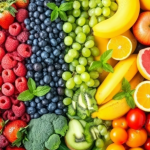
Fresh fruits and vegetables are rich in vitamins, minerals, fiber, and antioxidants, which can help fight inflammation and support overall health. Some of the best options include:- Berries (blueberries, strawberries) for their high antioxidant content
- Leafy greens (spinach, kale) packed with vitamins A, C, and K
- Cruciferous vegetables (broccoli, cauliflower) for their potential cancer-fighting properties
- Whole Grains
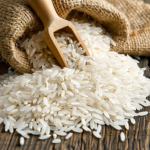
Whole grains like oats, brown rice, and quinoa provide complex carbohydrates, fiber, and essential nutrients that can help sustain energy levels during treatment. These foods are also easier to digest than refined grains. - Healthy Fats
Fats are a concentrated source of energy and can be beneficial in combating weight loss during cancer treatment. Choose healthy fats such as:- Avocado
- Olive oil
- Nuts and seeds
- Fatty fish (salmon, mackerel) which are rich in omega-3 fatty acids
- Hydrating Beverages
Staying hydrated is vital, especially when undergoing treatments that can cause dehydration. In addition to water, consider consuming:- Herbal teas (ginger tea for nausea)
- Coconut water
- Broth-based soups
Foods to Avoid or Limit
Certain foods may exacerbate symptoms or interfere with cancer treatments. Here are some to avoid or consume in moderation:
- Processed Meats
Processed meats like sausages, bacon, and deli meats are linked to an increased risk of certain cancers. It is advisable to limit or avoid them. - Sugary Foods and Beverages
High-sugar diets can lead to weight gain and inflammation, which may negatively affect cancer treatment outcomes. Limiting sugary snacks, desserts, and sugary drinks is recommended. - Alcohol
Alcohol consumption can increase the risk of certain cancers and may interact with cancer treatments. If alcohol is consumed, it should be done sparingly. - High-Fat or Fried Foods
Fatty and fried foods may be difficult to digest and can worsen symptoms like nausea or indigestion. Opt for healthier cooking methods such as baking, steaming, or grilling.
Coping with Common Nutrition Challenges During Cancer Treatment
Cancer treatments often come with side effects that make it challenging to maintain a balanced diet. Here are some tips to help manage these challenges:
- Loss of Appetite
- Eat smaller, more frequent meals to make it easier to consume enough calories.
- Incorporate nutrient-dense snacks like nuts, cheese, or smoothies.
- Try liquid meal replacements or protein shakes if solid foods are not appealing.
- Nausea and Vomiting
- Avoid greasy or spicy foods that may trigger nausea.
- Eat bland foods such as rice, applesauce, or toast when feeling nauseous.
- Ginger tea or ginger ale can help reduce nausea symptoms.
- Fatigue
- Prepare meals in advance and freeze them for days when energy levels are low.
- Keep healthy snacks on hand to minimize the need for cooking.
- Drink plenty of fluids to stay hydrated, which can help combat fatigue.
- Changes in Taste or Smell
- If foods taste metallic, try using plastic utensils instead of metal ones.
- Add seasonings or herbs to make meals more flavorful.
- Experiment with different textures and temperatures to find what feels most palatable.
The Role of a Registered Dietitian in Cancer Care
A registered dietitian with expertise in oncology nutrition can provide personalized guidance and meal plans tailored to individual needs. They can help cancer patients meet their nutritional goals, manage side effects, and improve their quality of life during treatment. Consulting a dietitian is a proactive step in optimizing nutrition and overall well-being during cancer care.
Nutrition plays a pivotal role in supporting cancer patients through treatment and recovery. A balanced, nutrient-rich diet not only helps manage symptoms but also contributes to better treatment outcomes and quality of life. While individual nutritional needs vary, focusing on whole, nutritious foods and consulting with healthcare professionals can greatly enhance the cancer recovery journey.


